
Monosodium Glutamate Production Process
Changcheng
Turnkey
Monosodium Glutamate
-
The production of Monosodium Glutamate (MSG) is essentially a biotechnological process carried out through microbial fermentation. In the initial stage of the process, glucose derived from sugarcane, sugar beet, or starch-based raw materials is used as the fermentation substrate. To this carbon source, nitrogen and various mineral salts are added to create a nutrient medium that supports the growth of microorganisms and the production of glutamic acid. In this environment, Corynebacterium glutamicum species are typically used. These bacteria convert glucose into glutamic acid under controlled conditions in bioreactors—maintaining optimal temperature (30–34°C), pH (6.5–7.5), dissolved oxygen levels, and agitation.
-
Once fermentation is complete, the resulting broth is first subjected to centrifugation or filtration to separate glutamic acid from residual microbial cells and other by-products. The recovered glutamic acid solution is then neutralized with sodium hydroxide (NaOH) to convert it into monosodium glutamate. At this stage, glutamic acid reacts with sodium ions to form MSG in the solution.
-
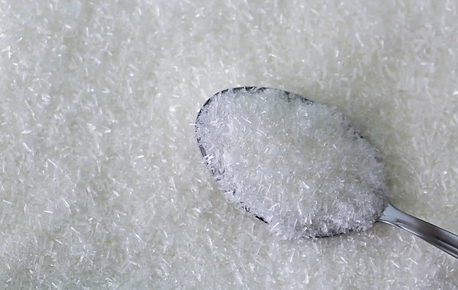
The MSG solution is then concentrated by evaporation and cooled in crystallization tanks to allow the formation of pure MSG crystals. These crystals are separated from the liquid phase by centrifugation and sent to the drying unit to reduce their moisture content. The dried MSG crystals are then sieved to standardize particle size and are packaged under hygienic conditions using automated systems to prepare them for sale.
-
Quality control is critically important throughout the entire process. Preventing microbial contamination during fermentation, maintaining precise control over parameters such as pH and temperature, and ensuring the purity and particle size of the final product are all closely monitored. In modern facilities, most of these steps are managed with automated systems and carried out in accordance with sustainable production principles that minimize environmental impact.
2008 Changcheng - Turnkey, All Rights Reserved